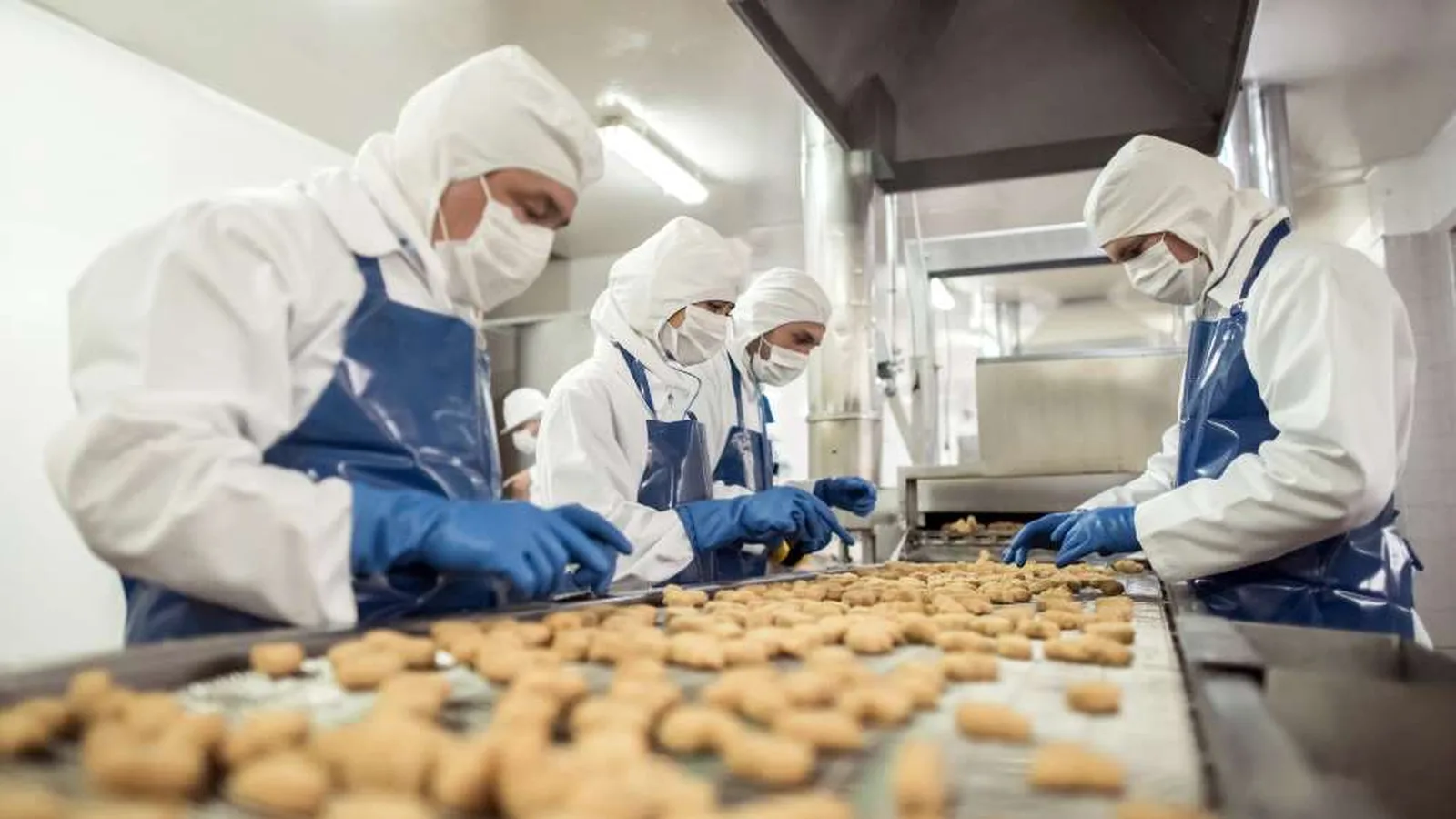
Staying compliant with food hygiene rules as they change
Food safety regulation keeps growing more demanding. Well designed training helps teams understand both what the rules require and why they matter.

Food safety regulation has never been more demanding. Changing legislation, international standards and rising customer expectations mean food businesses must keep learning just to stand still. Of all the tools available to them, training their people is the most effective way to stay ahead of the rules while keeping operations running smoothly.
Compliance is about more than avoiding penalties
A single breach can lead to product recalls, lasting damage to a brand and lost access to markets. The cost of getting it wrong now reaches well beyond a fine or a temporary closure.
Regulators increasingly expect businesses to show due diligence. In practice that means being able to demonstrate:
- a thorough analysis of food safety hazards
- traceability systems that can be checked
- documented training for every member of staff
- food safety management procedures that stand up to audit
Turning legal duties into daily practice
Regulations are often written in language that is hard to apply on a busy shift. Good training translates them into clear routines, covering everything from preventing cross contamination and managing allergens to checking suppliers and responding when something goes wrong.
When teams understand both the why and the how of compliance, the culture changes. Problems are spotted earlier, records are kept properly and people stop treating inspections as something to survive.
When teams understand both the why and the how of compliance, organisations move from reactive firefighting to proactive ownership of risk.
New pressures on a growing sector
International frameworks such as the Codex Alimentarius aim to bring standards into line so that food can be traded safely. Yet gaps in how standards are applied remain, especially in regions that are growing fast.
Across the Middle East, rapid urban growth, a busy tourism and hospitality sector and expanding retail and food service networks have increased the volume and complexity of food handling. Online ordering and chilled home delivery have added new risk points that regulation is only beginning to address. Training that connects local legislation with recognised international practice is now a commercial necessity, not an optional extra.
Education does more than enforcement
Inspections and penalties have their place, but lasting compliance is built through understanding. The best programmes combine a clear explanation of the law with practical application, so people leave with the confidence to lead food safety in their own workplace, not just a certificate.
That works best when training reflects a business’s own procedures, premises and risks, so the rules staff learn are the rules they actually follow.
Where Transform fits
Course Welder lets a food business turn its own food safety procedures and documents into a narrated course with activities and a final test, with every statement traced back to its source and signed off by a named expert. The AI Reporting Matrix then shows every person against every course and what expires when, so you have a clear record of who has trained. To discuss your needs, contact us.