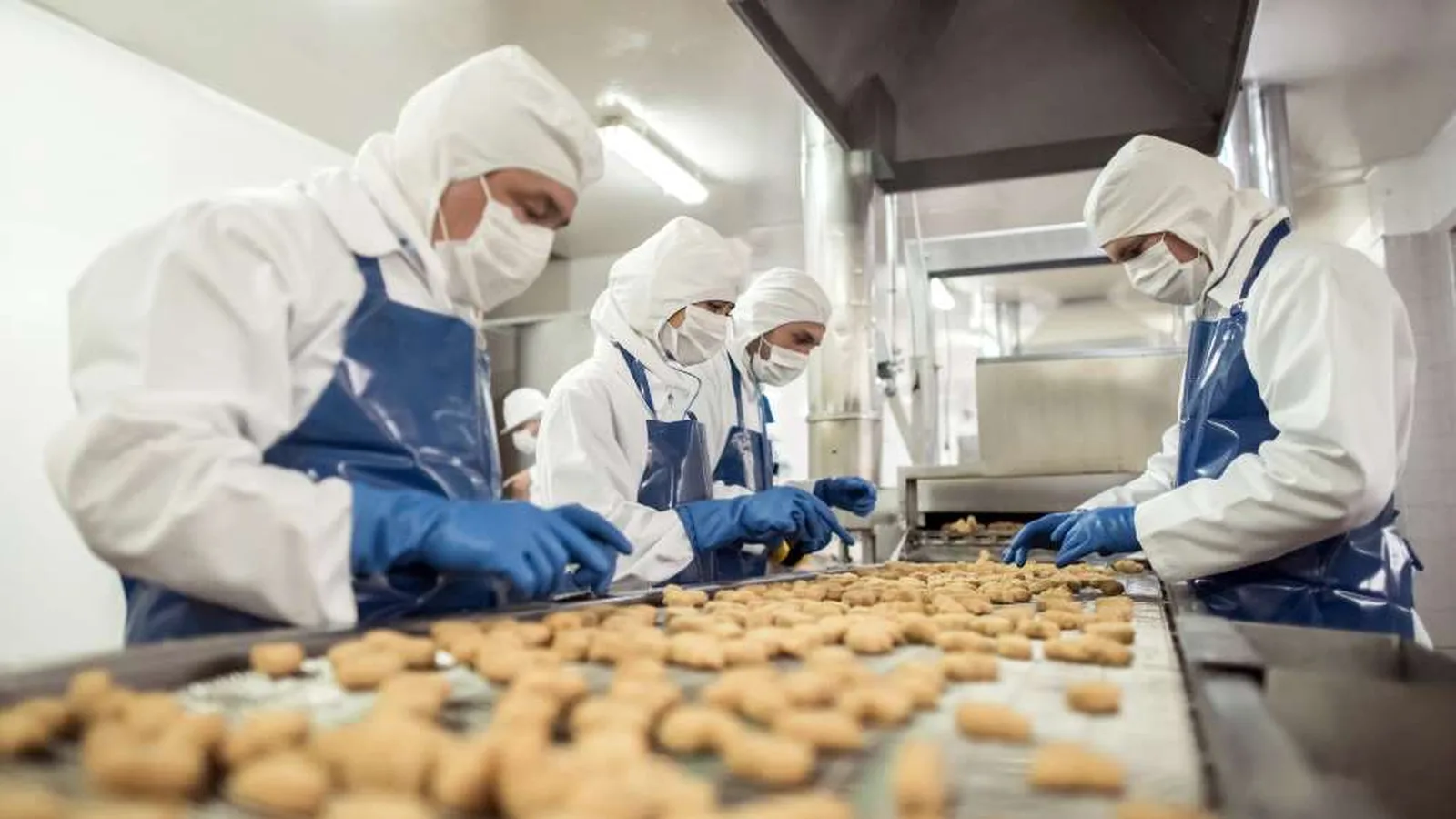
Food hygiene training is a public health issue
Unsafe food harms millions of people every year, and most incidents start with simple, preventable mistakes. Training is the most reliable way to stop them.

Food travels further than ever before reaching the plate, which means a single mistake in one kitchen or warehouse can make many people ill. Contaminated food can cause outbreaks, put pressure on health services and damage public trust for years. Of all the defences available, training the people who handle food remains the most effective.
The scale of the problem
The World Health Organization estimates that unsafe food causes 600 million cases of foodborne illness and 420,000 deaths every year. Behind those figures are errors that are, for the most part, preventable:
- improper handling of raw and ready to eat food
- inadequate storage and poor temperature control
- cross contamination between surfaces, utensils and products
- poor personal hygiene
Each of these is a matter of knowledge and habit. When staff understand why a rule exists, they are far more likely to follow it consistently.
Most food safety failures are not accidents of chance but gaps in knowledge and habit.
What good training actually changes
Effective food hygiene training gives people a working understanding of critical control points, cleaning and sanitation routines, and correct temperature management. It also ties daily practice to recognised guidance, such as the international standards set by the Codex Alimentarius, and to the rules of national regulators.
The benefits reach beyond compliance. Businesses that invest in food hygiene education reduce their legal and financial exposure, run more efficiently and protect the reputation they have worked hard to build. Customers notice, and so do inspectors.
Why the stakes are rising in the Middle East
Food hygiene rules vary in detail from country to country, but the aim is the same everywhere: safe food for all. In the Middle East, rapid urban growth, a thriving tourism sector and an expanding hospitality industry have increased both the volume and the complexity of food handling.
From large hotels to small street food stalls, every link in the chain needs to meet high standards. Rising temperatures and disrupted supply routes add further risk of spoilage and contamination. Training that is current and practical helps local businesses meet global benchmarks and stay resilient as conditions change.
Making training fit the working day
Food businesses rarely have time to take whole teams off the floor. Online learning lets staff train without disrupting service, while managers keep a clear record of who has completed what.
The most useful training also reflects the business itself: its own kitchens, suppliers, procedures and risks. Generic content is a start, but staff learn faster when the examples match what they see every shift.
Where Transform fits
With Course Welder, a food business can turn its own food safety procedures, slides and documents into a narrated course with activities and a final test, with every statement traced back to its source and signed off by a named expert. Transform LMS then delivers it on your own branded training site and sends renewal reminders automatically. To find out more, get in touch.