Working at height and why awareness saves lives
Falls from height are often the result of tasks that looked simple. Spotting the risk, checking the equipment and planning for rescue are what keep people safe.
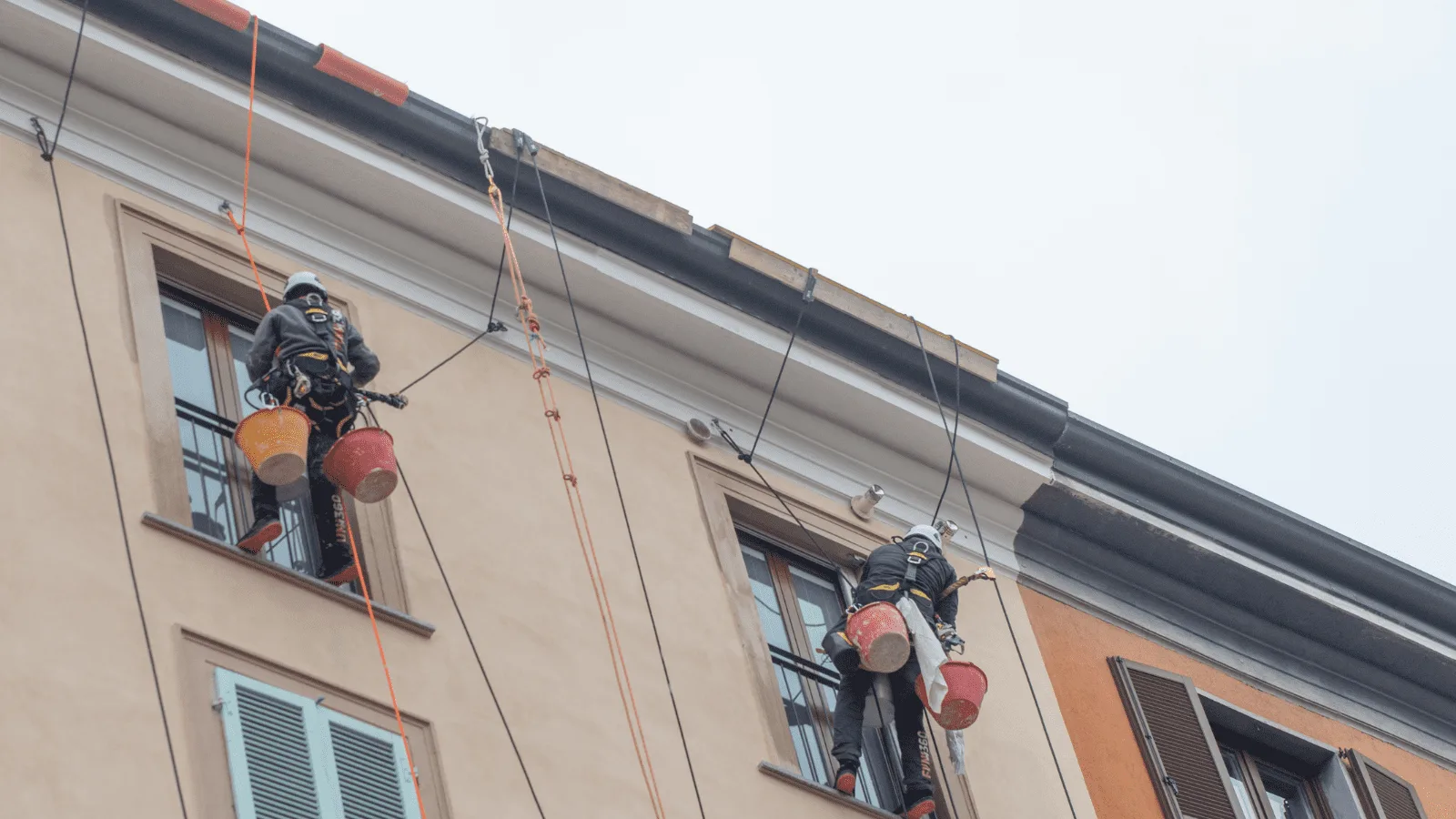
Working at height is one of the most hazardous activities in many industries, yet it is often underestimated until something goes wrong. On a construction site, a rooftop, high warehouse shelving or a raised platform for window cleaning, the risks are real and the consequences can change lives. The answer is not just better equipment. It is people who can assess risk, use that equipment properly and make confident decisions for themselves and others.
It is not only the obvious jobs
Working at height covers far more than scaffolding and aerial lifts. Climbing a ladder, reaching a mezzanine floor or stepping onto a platform without edge protection all count.
Many incidents happen precisely because a task looked simple. When people understand how broad the definition is, they start to recognise risk before it turns into an accident. That applies to supervisors, managers and helpers on the team as much as to the person doing the climbing.
Asking the right questions first
Good height safety starts before anyone leaves the ground. A quick, honest risk assessment means asking questions such as:
- Is the surface stable, and will it stay that way?
- Is the weather affecting grip or footing?
- Is there a guardrail or protective edge in place?
- Is the right personal protective equipment available and in good condition?
These questions build a habit of preparation rather than complacency. Thinking ahead in this way is one of the most effective ways to prevent falls.
Equipment only protects you if it is right
Ladders, scaffolding, harnesses, fall arrest systems and mobile elevating work platforms all reduce risk, but only when they are chosen, checked and used correctly.
Overlooked wear or poor fitting can turn a piece of safety equipment into a hazard in its own right.
That is why practical checks matter: inspecting equipment before use, fitting harnesses properly and using the correct anchor points. People who understand why each check exists are far more likely to carry it out, and to choose the right equipment for the job in the first place.
Planning for the worst
Even with every precaution in place, things can still go wrong. Every job at height needs a clear plan for what happens if someone falls: how the alarm is raised, how an injured colleague is reached and helped, and who does what.
A rescue plan that exists only on paper is of little use. Teams need to know it, understand it and be ready to act on it. Readiness belongs alongside prevention as part of a complete approach to safety.
Where work at height is routine, training is essential rather than a box to tick. A fall can devastate lives, families, workplaces and communities. Awareness, practical skills and forward planning are what keep everyone safe, however high they are working.
Where Transform fits
Transform Courses include Scaffolding Safety and Inspection, Mobile Elevating Work Platforms and Workplace Rescue Procedures, all written in house. The AI Reporting Matrix shows every person against every course and what expires when, so you can see at a glance who is trained and up to date.