Emergency response and first aid skills that make a difference
When someone collapses or a fire breaks out, the gap between panic and confident action comes down to preparation. Here is what good emergency readiness looks like.
Emergencies can happen at any moment: a slip, a fall, a sudden medical episode, a fire. When they do, the difference between panic and confident action usually comes down to preparation. First aid and emergency response skills save lives and reduce the harm caused by injuries, and they matter to employers, team leaders and anyone who wants to be ready to help a colleague.
Real situations, not textbook procedures
Emergency response is about understanding real situations and reacting with clarity and care. Workplaces of every kind, from offices and factories to shops and schools, can face a wide range of emergencies:
- Burns, cuts and fractures
- Choking and cardiac arrest
- Shock and allergic reactions
- Psychological emergencies such as panic attacks
Medical jargon does not help anyone in the moment. What helps is breaking each situation into clear steps, so people can assess what is in front of them and respond appropriately when seconds matter.
The first few minutes count most
The minutes immediately after an injury or sudden illness are often called the golden minutes, because what happens then can dramatically affect the outcome.
What a colleague does in the first few minutes can matter as much as anything that follows.
Key skills include CPR, using an automated external defibrillator, controlling bleeding, managing wounds and treating shock. Just as important is judgement: how to prioritise when more than one person is hurt, and when to act yourself rather than wait for professional help. Good training builds confidence, not fear.
Knowing your own workplace
Preparation also means looking at your own surroundings with fresh eyes. Ask some simple questions:
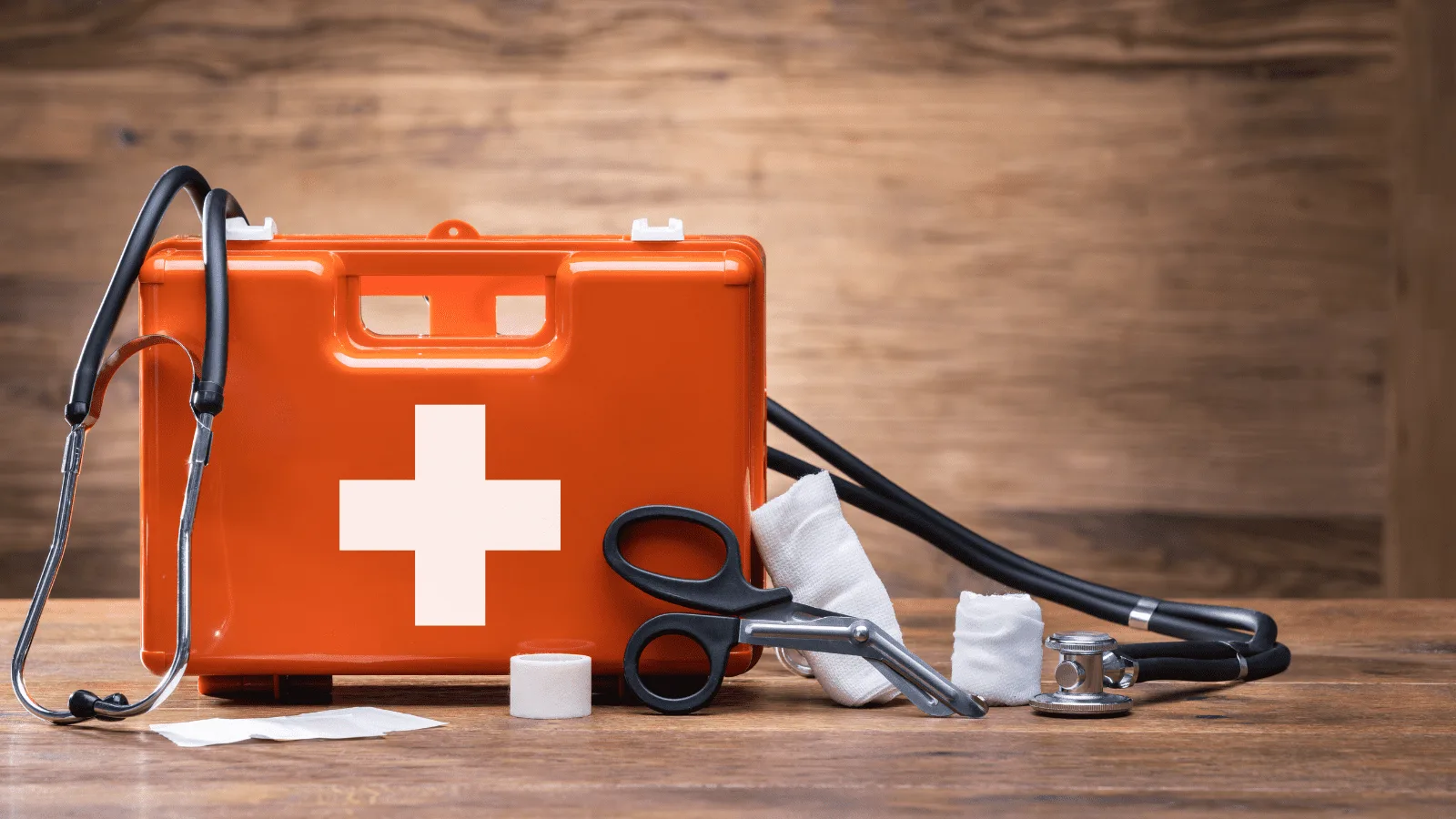
- Are first aid kits easy to reach and properly stocked?
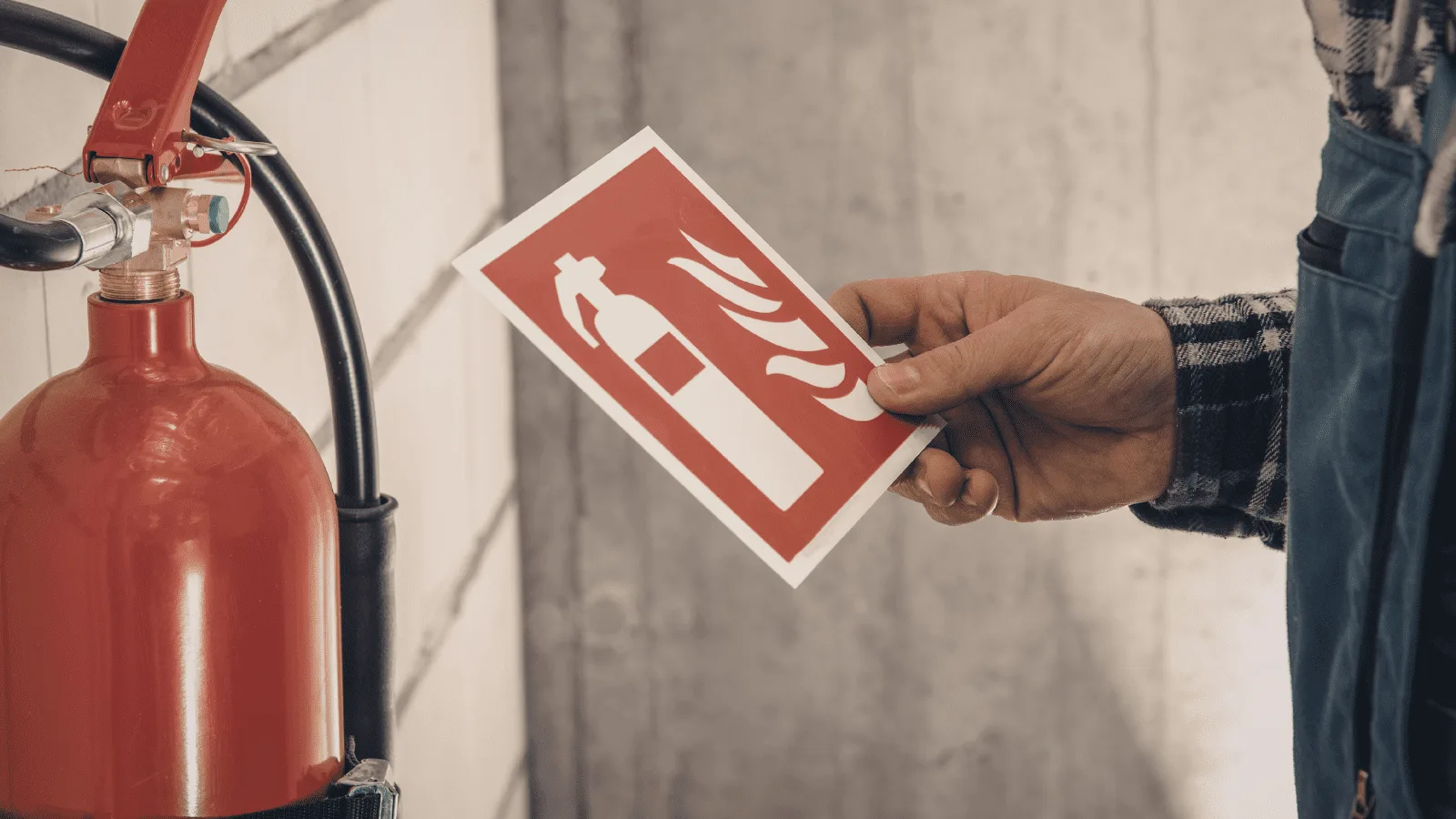
- Are emergency exits clearly marked and kept clear?
- Does everyone know what to do if a colleague collapses or is injured?
This kind of awareness helps organisations put preventative measures in place alongside the skills to respond.
Clear communication under pressure
Most emergencies need more than one person. Someone has to call the emergency services, someone has to direct bystanders, and help has to arrive quickly.
Staying calm and giving clear information is a skill in itself. That includes using the right emergency contacts, passing accurate details to medical professionals and recording the incident properly afterwards, so lessons are learned and the same thing is less likely to happen again.
Emergencies cannot always be avoided, but being unprepared can. Training in emergency response and first aid protects people, reduces risk and makes a workplace more resilient.
Where Transform fits
Transform Courses include First Aid at Work, Emergency Response and Evacuation, and Incident Reporting and Investigation, all written in house. With Transform LMS you can combine online courses with classroom days for practical skills, track certificates and renewal dates, and send reminders automatically.