Environmental sustainability and why it matters at work
Sustainability is now a shared responsibility for every workplace. Understanding how environmental issues connect is the first step towards practical, lasting change.
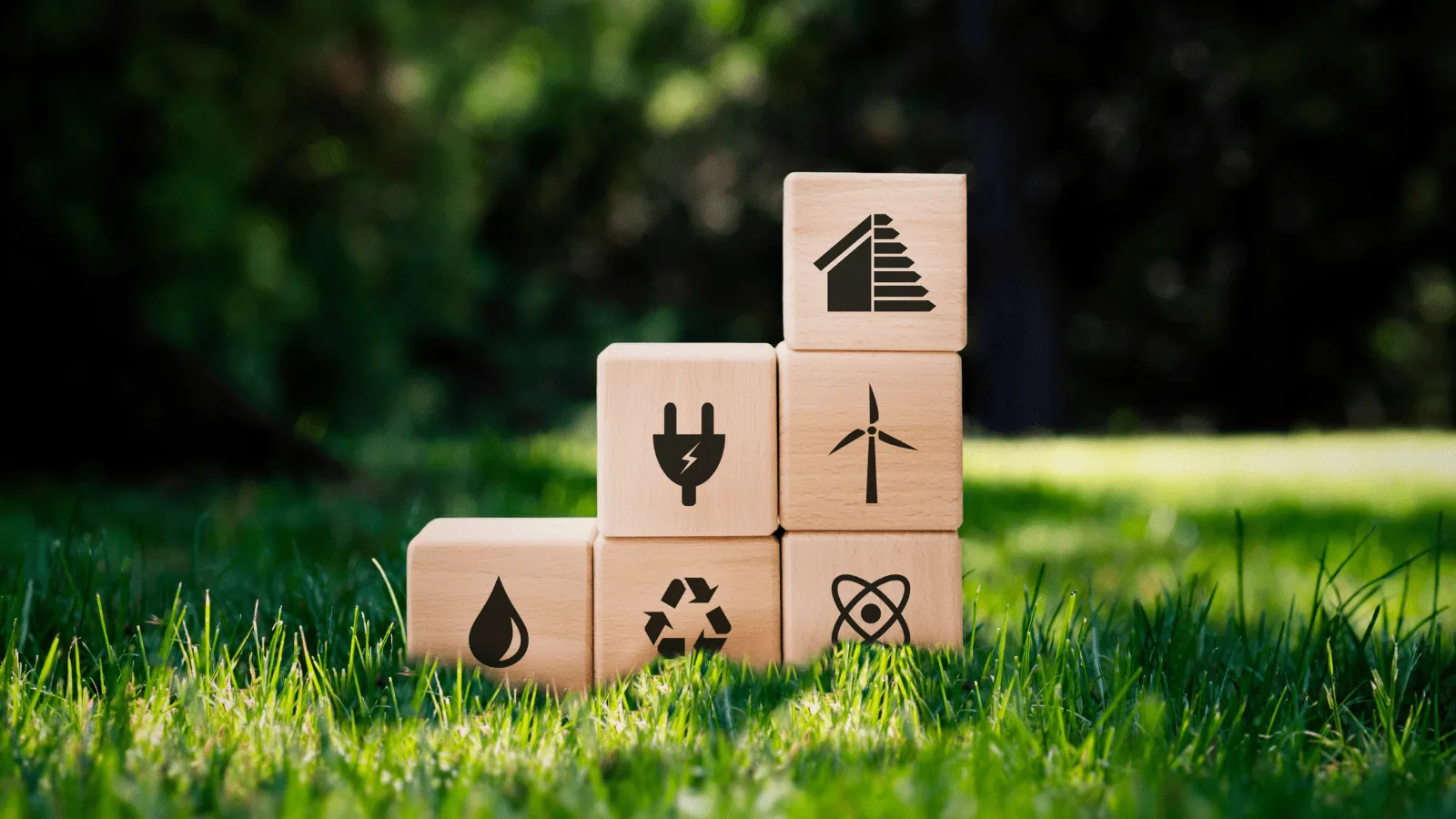
Environmental sustainability is no longer a buzzword. It is a shared responsibility that is shaping the future of our communities and our workplaces. At its core, it means meeting today’s needs without compromising the ability of future generations to meet theirs. That includes protecting natural resources, reducing pollution, conserving ecosystems and thinking for the long term about how we live and work.
From global problems to everyday choices
The big environmental challenges are well known: climate change, loss of biodiversity, depletion of resources and the growing problem of waste. On their own, these can feel abstract or overwhelming, too large for any one person or organisation to affect.
They become easier to act on when they are connected to everyday activity. Energy use, travel and purchasing decisions all have a direct impact, and seeing that link helps people understand the effect of their own behaviour and of the organisation as a whole.
Everything is connected
A useful idea at the heart of sustainability is systems thinking: the recognition that environmental issues are linked rather than separate problems.
Choices made in one place can affect water quality, air, soil health and community wellbeing all at once.
Decisions in manufacturing, agriculture or urban planning, for example, rarely have a single effect. Understanding these connections shows that sustainability goes well beyond recycling or switching off lights. It is about recognising patterns, thinking through long term consequences and making informed decisions that benefit both people and the planet.
Practical steps for organisations
The value of sustainability training lies in turning ideas into action. The main approaches are well established:
- reducing carbon footprints
- conserving natural resources
- adopting renewable energy
- applying circular economy principles, so materials are kept in use for longer
- supporting sustainable supply chains
None of these needs technical jargon to understand. Presented in a relatable way, they encourage individuals and teams to reflect on their own roles and identify realistic steps towards improvement, rather than waiting for a perfect plan.
A field open to everyone
Sustainability is not reserved for scientists or policy makers. It invites participation from every part of society, and from every level of an organisation.
A good introduction builds awareness and a sense of responsibility, and gives people the confidence to contribute to a healthier, more resilient future. For many organisations, that first step of shared understanding is what makes every later step possible.
Where Transform fits
The Transform Courses library, written in house, includes Environmental Sustainability alongside Environmental Hazards and Spill Response. Through Transform LMS you can run these on your own branded training site, and if you have your own environmental policies, Course Welder can turn them into a narrated course with activities and a final test. Get in touch to find out more.