Why asbestos awareness matters in older buildings
Asbestos is still present in many older buildings. Awareness training helps the people who work in them recognise the risk and know when to stop.
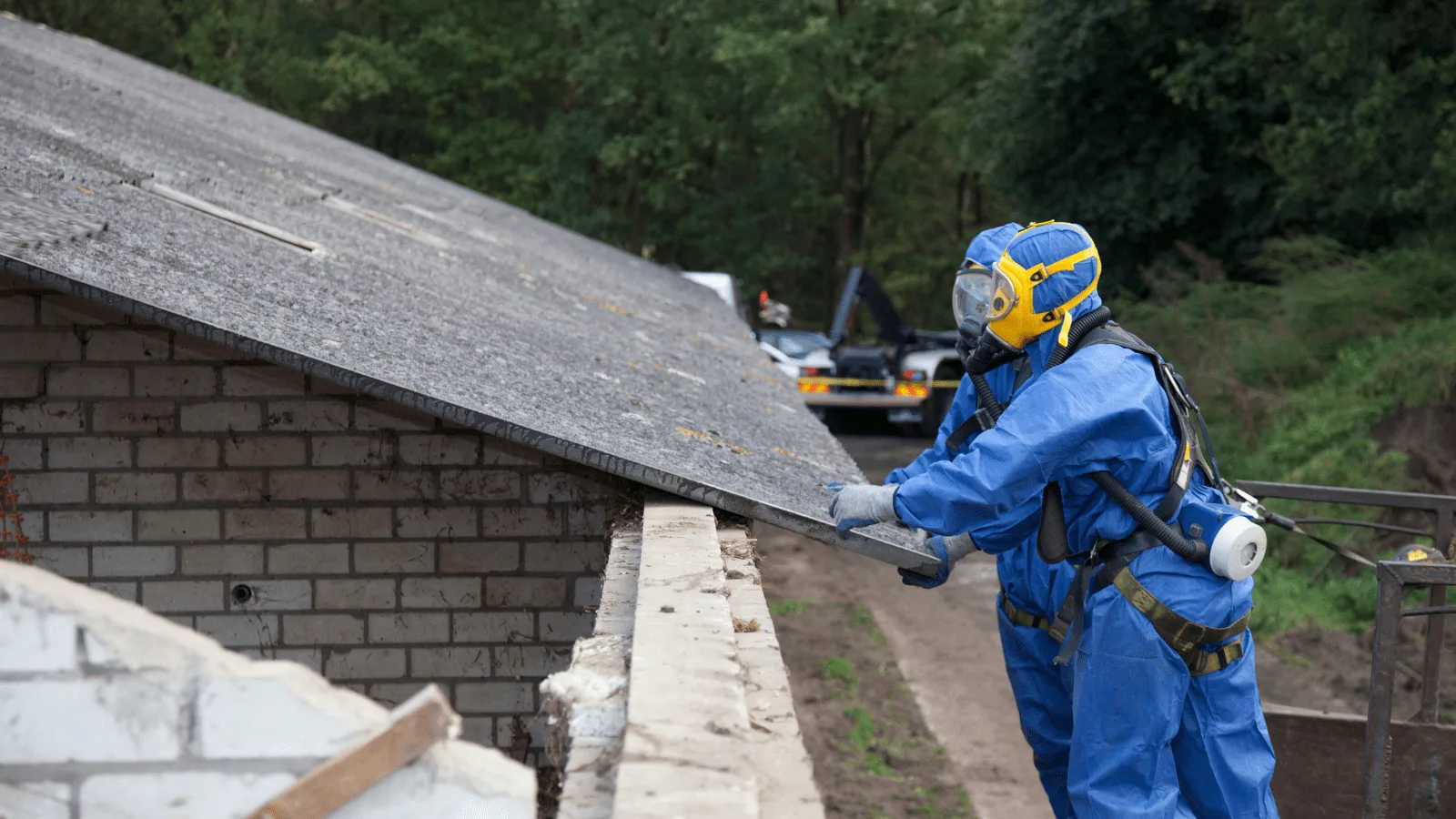
Many people spend their working day inside buildings put up decades ago, and few stop to think about what is in the walls, ceilings and roof. Asbestos is one of the most serious and long lasting hazards those buildings can hold. Its use is now heavily restricted, but it can still be found in insulation, ceiling tiles, pipe lagging and roofing materials. Knowing how to recognise that risk, and what to do about it, is a basic part of working safely.
Awareness is not the same as removal
Asbestos awareness training is for people who may come across asbestos in their work but are not there to remove it. Its purpose is recognition and prevention: knowing when asbestos might be present and how to act safely without disturbing it.
That distinction matters. Accidental exposure usually happens because someone did not know what they were looking at, not because they chose to take a risk. A worker who drills into an old ceiling or cuts through pipe lagging without a second thought can release fibres that nobody sees.
Accidental exposure most often comes from a lack of basic awareness, not from deliberate risk taking.
The trades most likely to meet it
The people who need this knowledge most are the ones who work inside existing buildings every day:
- electricians and plumbers
- maintenance staff and engineers
- decorators
- site supervisors
For these roles, good training avoids technical jargon and sticks to what helps on the job. People should understand how asbestos fibres affect the body, why the harm from exposure can appear many years later, and how simple decisions on site can greatly reduce the risk.
Knowing when to stop
Duty of care applies to employers and to individuals alike. Employers need to make sure their people understand the risks, and workers need to understand their own part in managing them.
In practice that comes down to a few clear actions: stopping work when a material looks suspect, reporting the concern, and seeking further guidance before carrying on. These steps are simple, but they only happen if people have been taught them and feel confident using them, even when there is pressure to get a job finished.
From reactive to proactive
Asbestos awareness is about more than meeting a requirement. The aim is a workplace where safety is proactive rather than reactive, where people spot a possible problem before they disturb it rather than after.
In industries where older buildings are part of the daily environment, awareness remains the most effective form of protection. It helps prevent exposure that can cause serious harm long after the job is done.
Where Transform fits
Asbestos Safety is one of the health and safety courses written in house for the Transform Courses library. Teams can take it through Transform LMS, your own branded training site, with certificates that carry renewal dates and reminders sent automatically. To talk through what your people need, get in touch.